
Citrus fruit bioflavonoids
What are citrus bioflavonoids?
Benefits and uses of citrus bioflavonoids
Vitamin C supplementation?
References
What are citrus bioflavonoids (flavonoids)?
Citrus fruits are well known for being a good source of vitamin C. The reason is that the flavonoids they contain greatly enhance and prolong the effect of the vitamin C. Sour citrus fruits like lemons and limes also contain citric acid, which helps protect against kidney stones among other benefits.
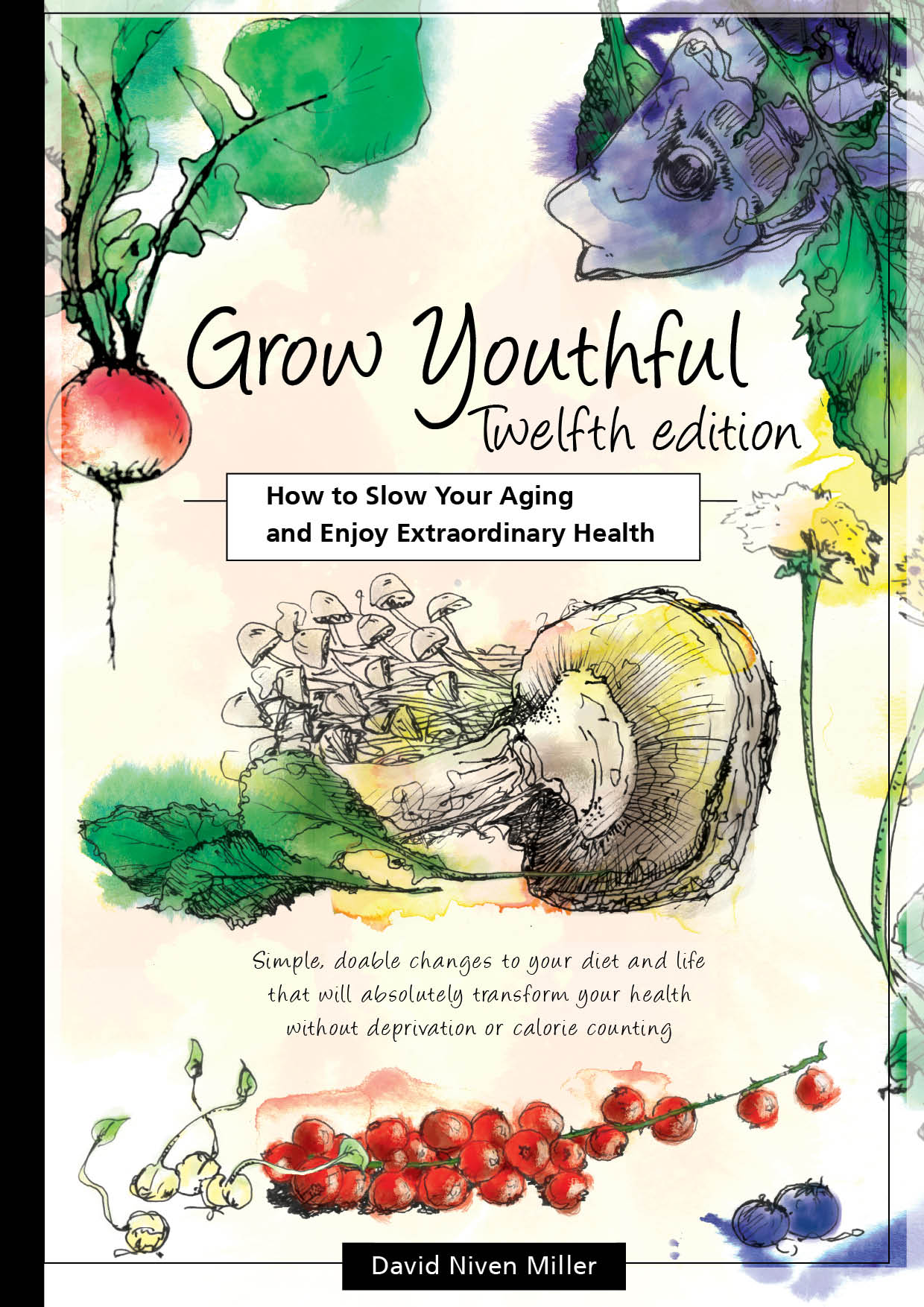
Most vitamin C supplements are made from synthetic ascorbic acid manufactured in China. This form of vitamin C is less effective on its own or in the form of a tablet. Without the natural flavonoids found in citrus (and some other fruits and vegetables), ascorbic acid is easily oxidized and can actually harm your body. This is why I emphasise throughout Grow Youthful that whole food nutrition is so much better than synthetic supplements.
Citrus fruits such as lemons, limes, grapefruits, oranges and tangerines contain over 6,000 other flavonoids that enhance the effects of vitamin C as well as being powerful antioxidants. The most potent of these citrus nutrients are a group of bioactive flavonoids also known as vitamin P. They include diosmetin, diosmin, hesperidin, naringin, narirutin, neohesperidin, nobiletin, quercetin, rutin and the flavone tangeritin. They are essential for the proper absorption of Vitamin C, and studies have shown that they enhance and prolong the action of vitamin C.
Lemons are the richest source of the flavonoid eriocitrin. Eriocitrin helps reduce liver fat and normalises fat and cholesterol metabolism in the body. It protects against diabetes and even helps to reverse it, and assists with insulin resistance. Eriocitrin is a potent antioxidant that assists with heart and blood vessel health, assisting small capillaries in particular. It improves blood circulation, protects against atherosclerosis, spider veins, and reduces oedema and cold fingers and toes. It is neuroprotective, (24) inhibits glycation (the formation of AGEs), and is a remedy for rheumatoid arthritis. (20, 22, 23)
Other flavonoids are potent natural remedies for a variety of diseases. Two of the most potent disease-treating flavonoids are diosmin and hesperidin. (13, 14, 15, 16, 23)
Interestingly, these flavonoid levels are highest in ripe, fresh-picked fruit. If they were picked unripe, or they have been in storage, their health benefits will be lower. The antioxidant content decreases within days. Nutrients are found in the whole fruit, including the pith, rind (peel) and pips/seeds. The white pith is especially valuable, with the white containing the highest concentration of flavonoids. Do not throw away a lemon that you have squeezed - the pulp and the rind or peel are the richest in nutrients. If the peel is organic, you can shred it into a lemon zest and use it in all sorts of dishes - cook it in cakes, desserts, with meats. Add it to salads.
The best way to get all these nutrients is to blend a whole lemon or lime with a glass of water. Wash the lemon first if there is any chance it was sprayed with chemicals. Blend the whole fruit with a glass or more of water, including the pith, rind and seeds. If suffering from severe haemorrhoids or varicose veins, for example, drink this twice or even three times per day. As the ailment heals, reduce to once per day. In good health, a minimum maintenance dose is once per week. I blend and drink a medium size lemon each day and have been doing this for a couple of years, though I know several people who do not feel good taking this much peel and pip on a daily basis.
Lemon and lime essential oils are a pleasant way to access some of these bioflavonoids. Cited below is how a study used them, and some of the benefits you can expect. (21, 23)
Now you can see why supermarket orange juice is of virtually no benefit. It is high in sugar (mostly fructose, the sugar that causes obesity), has all the beneficial pulp, seeds and rind removed, and is weeks, months or sometimes even years old (most of the beneficial flavonoids have long gone).
Cocoa is another rich source of flavonoids.
Benefits and uses of citrus bioflavonoids
- Antioxidant. Rutin and quercetin are the strongest flavonoid antioxidants.
- Anti-inflammatory. Rutin and quercetin have very powerful anti-inflammatory benefits. (5)
- Capillary permeability and circulation are improved. Flavonoids are highly effective at preventing and treating varicose veins. They help maintain normal blood pressure, and assist with swelling, oedema, and respiration in the lungs. Hesperidin is often used for the treatment of varicose veins and haemorrhoids. A deficiency of hesperidin in the diet has been linked with abnormal capillary function, extremity pain and leg cramps. (Hesperidin is found most abundantly in the peel and membranous parts of lemons and oranges).
Citrus bioflavonoids are widely used in Europe to treat various diseases of the blood vessels and lymph system, including leg ulcers, bruising, haemorrhoids, chronic venous insufficiency, nosebleeds, and lymphoedema / lymphedema following breast cancer surgery. - Anti-allergic. Flavonoids can modify allergens and the biological response to them.
- Anti-microbial (6, 7). Quercetin inhibits reverse transcriptase, part of the replication process of retroviruses. (11)
- Cancer preventative (1, 2). Various preventative and healing properties (8, 17, 18, 19). Quercetin as found in citrus fruits has powerful anti-cancer properties (10).
- Anti-diarrheal. (9)
- Insulin response and blood glucose levels. Helps to normalise, and protects against diabetes. (4)
- Brain health (neuroprotective). Preventative and remedy for Alzheimer's and other forms of dementia. (24)
Vitamin C supplementation?
In 1998 a prestigious study (12) showed that "Vitamin C exhibits pro-oxidant properties", and that vitamin C was of little benefit for health and long life and can actually be harmful in some cases. However, this conclusion is misleading. The authors showed that some DNA was both oxidised and also protected from oxidation by vitamin C. What they did not mention was that the protection effect was about ten times stronger! The primary author later capitulated and said "our study shows an overall profound protective effect of this vitamin."
However, it is important to note that artificially high levels of vitamin C can have a variety of harmful effects for some individuals. Those with Crohn's disease, ulcerative colitis, high levels of oxidised LDL, and in particular those with high iron levels, should not supplement high-dose vitamin C.
In contrast, natural levels of vitamin C from food sources are beneficial.
Sugar prevents the absorption of vitamin C. With so much sugar being added to foods today, and with most people having such sweet tastes, it is no wonder that most people have low levels of vitamin C.
The classic signs of vitamin C deficiency are corkscrew hairs (tiny curly hairs, often with a red hair follicle), bleeding gums, and extreme fatigue.
References
1. Manthey J.A., Guthrie N.
Antiproliferative activities of citrus bioflavonoids against six human cancer cell lines.
J Agric Food Chem. 2002.
2. Manthey J.A., Grohmann K., Guthrie N.
Biological properties of citrus bioflavonoids pertaining to cancer and inflammation.
Curr Med Chem. 2001.
3. Chiba H.
Hesperidin, a citrus bioflavonoid, inhibits bone loss and decreases serum and hepatic lipids in ovariectomized mice.
J Nutr. 2003 Jun.
4. Un Ju Jung, Mi-Kyung Lee, Kyu-Shik Jeong and Myung-Sook Choi.
The hypoglycemic effects of hesperidin and naringin are partly mediated by hepatic glucose-regulating enzymes in
C57BL/KsJ-db/db mice.
J Nutr. 2004.
5. Yamamoto and Gaynor.
Therapeutic potential of inhibition of the NF-kB pathway in the treatment of inflammation and cancer.
Journal of Clinical Investigation 107 (2): 135.
6. Cushnie T.P.T., Lamb A.J.
Antimicrobial activity of flavonoids.
International Journal of Antimicrobial Agents 2005. 26 (5): 343-356.
7. Cushnie T.P.T., Lamb A.J.
Recent advances in understanding the antibacterial properties of flavonoids.
International Journal of Antimicrobial Agents. 2011. 38 (2): 99-107.
8. de Sousa R.R., Queiroz K.C., Souza A.C., Gurgueira S.A., Augusto A.C., Miranda M.A., Peppelenbosch M.P., Ferreira C.V., Aoyama H.
Phosphoprotein levels, MAPK activities and NFkappaB expression are affected by fisetin
2007. J Enzyme Inhib Med Chem 22 (4): 439-444.
9. Schuier M., Sies H., Illek B., Fischer H.
Cocoa-related flavonoids inhibit CFTR-mediated chloride transport across T84 human colon epithelia.
1 October 2005. J. Nutr. 135 (10): 2320-5. PMID 16177189.
10. Paul Knekt, Jorma Kumpulainen, Ritva Jarvinen, Harri Rissanen, Markku Heliovaara, Antti Reunanen, Timo Hakulinen, and Arpo Aromaa.
Flavonoid intake and risk of chronic diseases.
September 2002. Am J Clin Nutr 76 (3): 560-8.
11. Spedding G., Ratty A., Middleton E.
Inhibition of reverse transcriptases by flavonoids.
September 1989. Antiviral Res. 12 (2): 99-110.
12. Podmore ID, Griffiths HR, Herbert KE, Mistry N, Mistry P, Lunec J.
Vitamin C exhibits pro-oxidant properties.
Nature. 1998 Apr 9;392(6676):559.
13. Huwait E, Mobashir M.
Potential and Therapeutic Roles of Diosmin in Human Diseases.
Biomedicines. 2022 May 6;10(5):1076. doi: 10.3390/biomedicines10051076. PMID: 35625813; PMCID: PMC9138579.
14. Corsale I, Carrieri P, Martellucci J, Piccolomini A, Verre L, Rigutini M, Panicucci S.
Flavonoid mixture (diosmin, troxerutin, rutin, hesperidin, quercetin) in the treatment of I-III degree hemorroidal disease: a double-blind multicenter prospective comparative study.
Int J Colorectal Dis. 2018 Nov;33(11):1595-1600. doi: 10.1007/s00384-018-3102-y. Epub 2018 Jun 22. PMID: 29934701.
15. Giannini I, Amato A, Basso L, Tricomi N, Marranci M, Pecorella G, Tafuri S, Pennisi D, Altomare DF.
Flavonoids mixture (diosmin, troxerutin, hesperidin) in the treatment of acute hemorrhoidal disease: a prospective, randomized, triple-blind, controlled trial.
Tech Coloproctol. 2015 Jun;19(6):339-45. doi: 10.1007/s10151-015-1302-9. Epub 2015 Apr 19. Erratum in: Tech Coloproctol. 2015 Oct;19(10):665-6. PMID: 25893991.
16. Li C, Schluesener H.
Health-promoting effects of the citrus flavanone hesperidin.
Crit Rev Food Sci Nutr. 2017 Feb 11;57(3):613-631. doi: 10.1080/10408398.2014.906382. PMID: 25675136.
17. Shammugasamy B, Valtchev P, Dong Q, Dehghani F.
Effect of citrus peel extracts on the cellular quiescence of prostate cancer cells.
Food Funct. 2019 Jun 19;10(6):3727-3737. doi: 10.1039/c9fo00455f. PMID: 31169845.
18. Lai CS, Li S, Miyauchi Y, Suzawa M, Ho CT, Pan MH.
Potent anti-cancer effects of citrus peel flavonoids in human prostate xenograft tumors.
Food Funct. 2013 Jun;4(6):944-9. doi: 10.1039/c3fo60037h. Epub 2013 May 14. PMID: 23673480.
19. El-Kersh DM, Ezzat SM, Salama MM, Mahrous EA, Attia YM, Ahmed MS, Elmazar MM.
Anti-estrogenic and anti-aromatase activities of citrus peels major compounds in breast cancer.
Sci Rep. 2021 Mar 29;11(1):7121. doi: 10.1038/s41598-021-86599-z. PMID: 33782546; PMCID: PMC8007834.
20. Hiramitsu M, Shimada Y, Kuroyanagi J, Inoue T, Katagiri T, Zang L, Nishimura Y, Nishimura N, Tanaka T.
Eriocitrin ameliorates diet-induced hepatic steatosis with activation of mitochondrial biogenesis.
Sci Rep. 2014 Jan 15;4:3708. doi: 10.1038/srep03708. PMID: 24424211; PMCID: PMC3892443.
21. Siyu Liu, Shiming Li, Chi-Tang Ho.
Dietary bioactives and essential oils of lemon and lime fruits.
Food Science and Human Wellness, Volume 11, Issue 4, 2022. Pages 753-764, ISSN 2213-4530. doi.org/10.1016/j.fshw.2022.03.001.
22. Note: I assume that Eriomin is a similar, but inferior synthesised version of Eriocitrin.
Ribeiro CB, Ramos FM, Manthey JA, Cesar TB.
Effectiveness of Eriomin in managing hyperglycemia and reversal of prediabetes condition: A double-blind, randomized, controlled study.
Phytother Res. 2019 Jul;33(7):1921-1933. doi: 10.1002/ptr.6386. Epub 2019 Jun 11. PMID: 31183921; PMCID: PMC6618084.
23. Ping Li Xu Yao Qingqing Zhou Xia Meng Tao Zhou Qing Gu.
Citrus Peel Flavonoid Extracts: Health-Beneficial Bioactivities and Regulation of Intestinal Microecology in vitro.
Front. Nutr., 24 May 2022. Volume 9, 2022. doi.org/10.3389/fnut.2022.888745.
24. Matsuzaki K, Nakajima A, Guo Y, Ohizumi Y.
A Narrative Review of the Effects of Citrus Peels and Extracts on Human Brain Health and Metabolism.
Nutrients. 2022 Apr 28;14(9):1847. doi: 10.3390/nu14091847. PMID: 35565814; PMCID: PMC9103913.